25 April: Burgos Burgos is the city of El CID and UNESCO World Heritage Cathedral.
Today I slept a bit longer to recover from yesterday's long ride. I then spent some time phoning Ortlieb Spain to get a replacement for the quick release system (quick lock system) for the broken one. It was already after 12pm when I left for a visit to the city.
I went first to the majestic cathedral of Santa Maria which the city Burgos dominates. Again, a cathedral with many sumptuously decorated chapels. The audio guide I had downloaded on my phone was the first to mention that the lavish decorations were made of or financed by the silver (brought or rather stolen(?)) from South America. I remembered learning in school history lessons that Spain was later economically outclassed by other European nations because it had squandered the natural resources and precious metals from its colonies on prestigious projects, rather than investing in economic development.
The cathedral also houses the tomb of the iconic knight El Cid Campeador (1043-1099) and his wife Dona Jimena.
After the slow and tiring walk through the cathedral, I felt like walking a bit more briskly and decided to climb up to the castle. There is not much left of the castle except the ramparts and a 63-metre-deep well that provided drinking water for the castle dwellers. Next to it is a six-storey spiral staircase to reach the deepest point of the well.
Catedral de Santa María
What I didn't know about the castle is that Napoleon's French Imperial Army stayed here during the Spanish War of Independence from 1808 to 1813, which the allied armies of Spain, Portugal and England fought against Napoleon's French Imperial Army. The famous British Duke of Wellington suffered a heavy defeat here in October 1812, one of the few defeats he ever suffered.
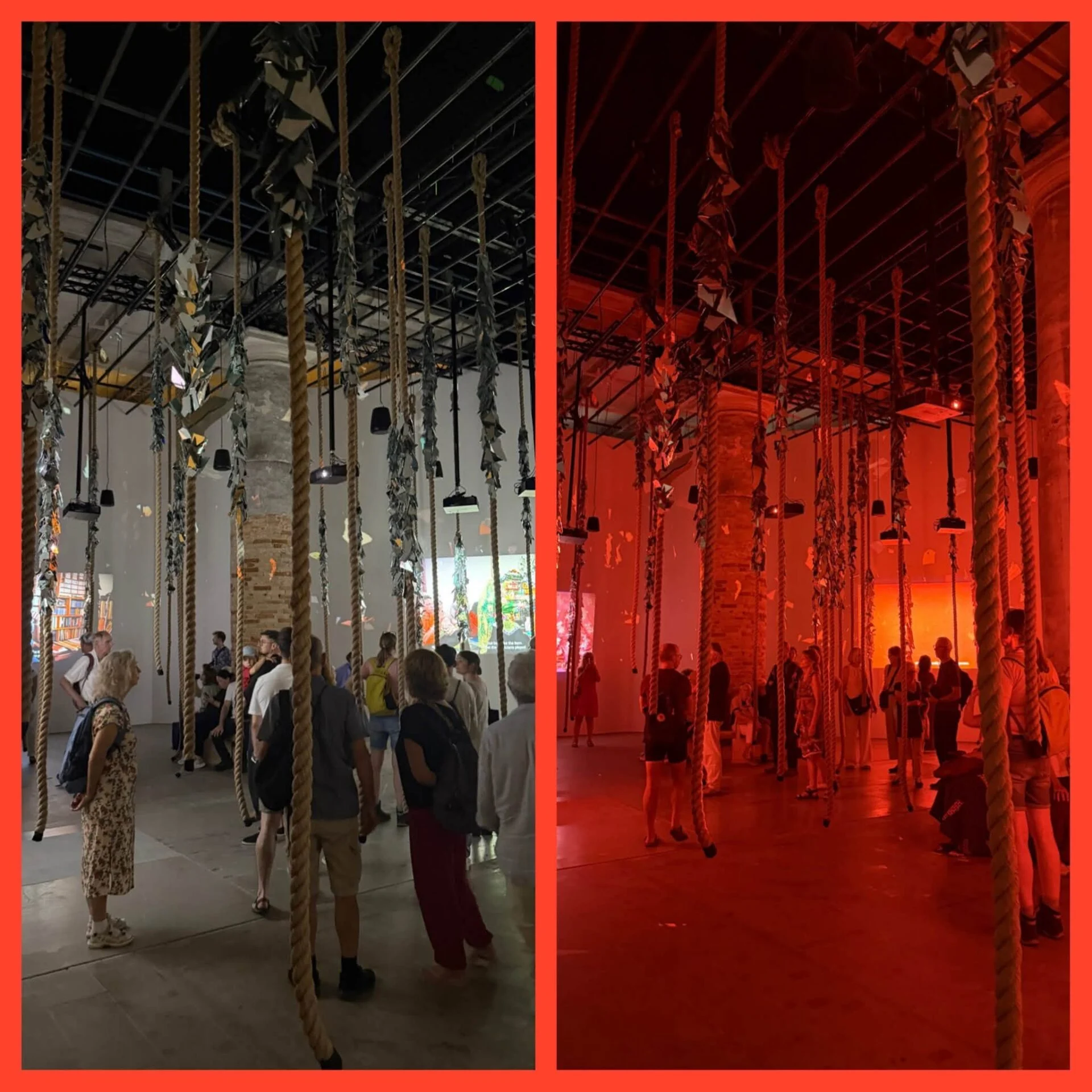
It was after 5pm when I left the castle, so the nearby contemporary art centre Casa Burgos (BAC) would be open. I was not particularly enthusiastic about the works I saw there, so I continued my walk via the San Esteban church - now Museum of Altars, the Plaza Mayor, the Arco Santa Maria, the beautiful Paseo del Espolón and Casa del Cordón, where the Reyes Católicos Ferdinand and Isabel received Columbus after his return from his second voyage to the New World.