Cycling for Shatsa 2024: Marienborn - former border crossing with GDR

Marienborn grensovergang DDR

Wednesday, July 31: Marienborn

It was just a short drive to Helmstedt campsite (40km) where I arrived shortly after noon.

It was hot. I had the choice of going swimming in an open-air pool right next to the campsite or 7km further to the former border crossing with the GDR in Marienborn to go.

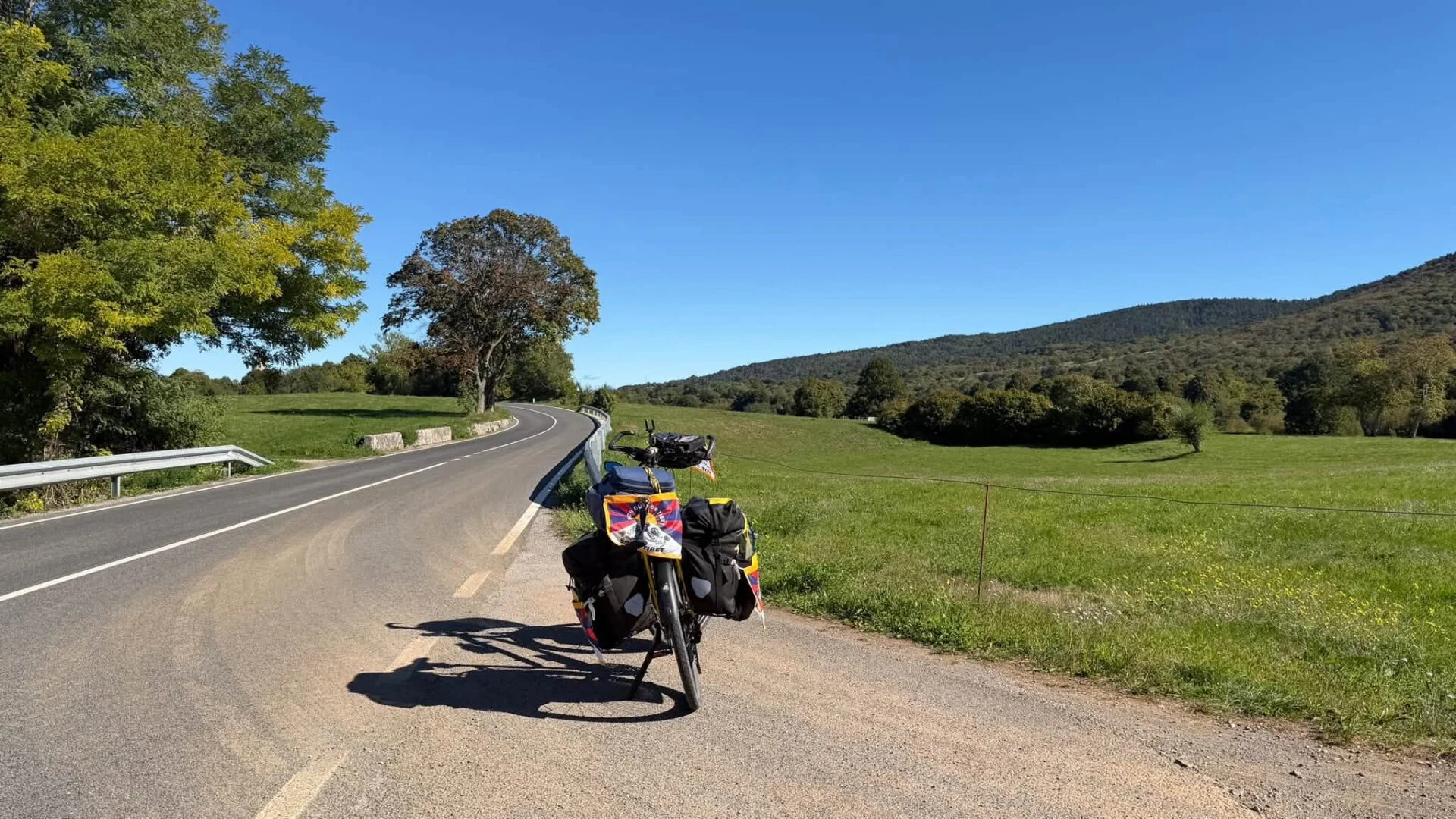
I am that infamous border crossing with strict controls never passed it myself, but heard punishing stories about it from family members. So I scraped together all my desire and courage and got back on my bike. The ride took me through a cool forest the whole time, which was a relief, except for a few kilometres over bumpy concrete slabs.

Suspension bridge to check trucks from above

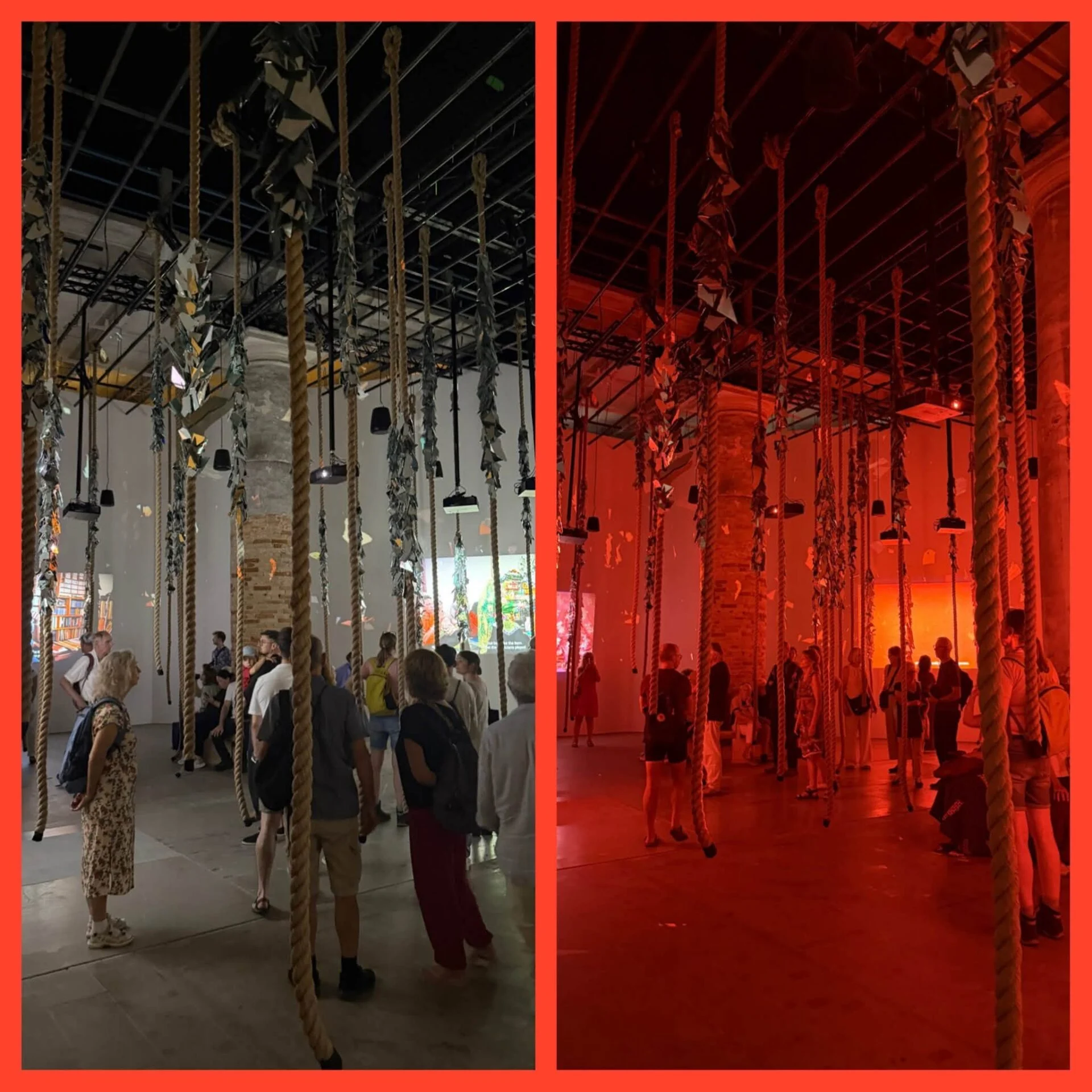
The 'memorial' is located at the Hanover-Berlin motorway and at the time was the only access for Western allies to divided Berlin. It was the main checkpoint on Germany's internal border. In 1996, seven years after the fall of the wall when it already looked fiercely vandalised and dilapidated, it was refurbished and inaugurated as a memorial.

A bit of history: just after the war in 1945 it was under the control of the victorious Allies, but in 1950, the GDR took control and conducted the deadly border regime in with barbed wire and mines to make escape from the GDR impossible and ward off hostile influences from the West.

At 1972 became a transit agreement closed with the West and tourist traffic increased. The site was fiercely expanded. A total of 1,000 people worked at border control, customs and administration to handle the long queues of waiting people. There was also an exchange office where travellers had to exchange a mandatory amount per day of stay.

For cars and trucks there were separate control zones.

At the entrance, tourists had to hand over their documents and these were sent on a conveyor belt to the control offices, which had extensive index card bins with details of undesirables. Then it was waiting and when you or your vehicle suspect seemed (thankfully a minority), was taken everything out, including seats and lining.

There was also a space for veterinary checks and quarantine stalls.

Outgoing checks were equally strict. Trucks had to drive under a suspension bridge from where it was checked that the truck's tarpaulin was not damaged. After all, many East Germans tried to hide in trucks or cases of passenger cars. There were also heavy-duty roll barriers which could be immediately rolled shut in case of an alarm and could even stop 50-tonners coming storming off at full speed.

The former offices of the complex now house a museum.

Right against the motorway was another Russian control tower.

The photos give an idea of how strict the checks were. No fun going to Berlin in those days, and even less so for East Germans who wanted to go to the West. Many paid for it with their lives or imprisonment.

The border was reopened on 9 November 1989, but only on 30 June 1990 are the checks in Marienborn halted and East Germans regained their freedom-which they are now putting back at risk by voting for far-right parties like AfD (Alternative für Deutschland) or worse.

And let us not forget that Tibetans, Uighurs and other minorities in China are currently being just as brutally oppressed by the Chinese.

Share this post on social media

Read more...

en_GB